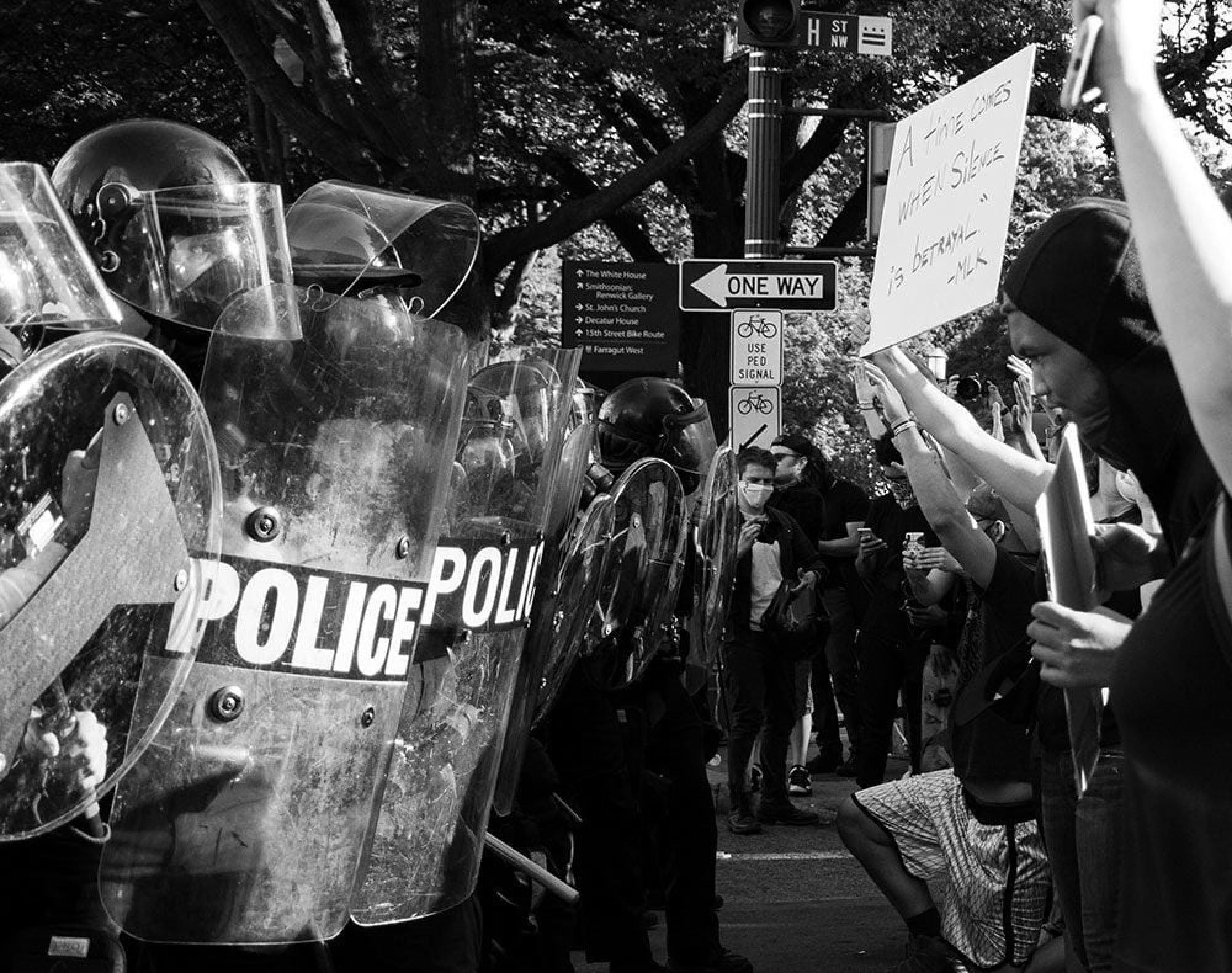
As fireworks lit up the night sky this past July 4th, I couldn’t help but wonder- what exactly does freedom mean in America? In the midst of the yearly celebration of American independence in defense of human freedom, numerous stories of police brutality, Black and brown people killed while in police custody continued to flood the airways. The stark contrast between the two prompted the main objective for this piece to explore the notion of freedom for those living on the margins of American society. While we tend to think of freedom as a fixed idea, the manner in which people have attempted to define freedom has varied substantially over time.
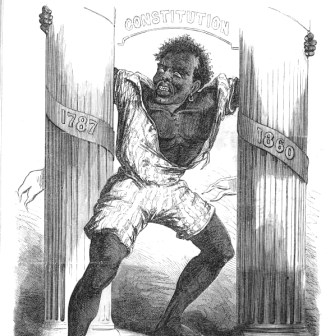 Tensions between the principle of freedom and American practice are certainly not new. Former slave Frederick Douglas provocatively posed this question in his 1852 speech “What to the Slave is the 4th of July. Lamenting the existence of human bondage in America he chastised Americans for celebrating their freedom and independence while enslaving 3 million people. If freedom is defined as the power to act, speak and think without hindrance and restraint how can we explain polices that disproportionately affect people of color, specifically within the criminal justice system?
The same could be said at the present moment about the current practice of mass incarceration in the United States, which has been compared to slavery. In her book, The New Jim Crow, legal scholar Michelle Alexander explores the role race has played in mass incarceration. The problem has been most acute when associated with drug crime. Since the War on Drugs began in the 1970’s statistical data shows us that nearly 80% of people in federal prison and 60% in state prison for drug offenses are people of color. To understand the gravity of what that means- more black adults are under correctional control today than were enslaved in 1850. It is important to note however that many of these implementation practices began after the Civil War. Where poll taxes and literacy tests served to reduce if not exclude sections of the population from voting, in the current system they represent policies such as voter restrictions placed on ex-felons. If we restrict a fundamental concept of our democracy – of which disproportionately affects people of color, it speaks poorly to our proclaimed adherence of freedom and equality in America-and therefore perpetuates oppression.
The matter however goes beyond a simple reading of policy and should involve safeguards to ensure that such laws do not disproportionately impact people of color. We must revisit policy continually in an effort to ensure that it does not replicate indiscriminate practices. So that Harvard Professor and linguist Bruno della Chiesa observes the structure does not remain exactly the same but, “become even more efficient in terms of oppression.” In order to avoid this we must abolish these laws, find ways to reinfranchise those we who have already been excluded and put safeguards in place to ensure the cycle of oppression, as a legal entity, will cease to exist. When we choose not to speak out or stand in solidarity with the very activists fighting oppression, we are siding with the oppressor. Changing the world and influencing policy is no small feat, but if we view this through the lens of Howard Zinn it seems within our grasp. He said, “A small act when multiplied by millions can change the world.” If we are to create a better world for our children, for future generations – what small act are you going do?
 Challenge The Narrative